Whiskey Meets Tech: 7 Ways the Spirits Industry Is Using AI (And Why Most of It Is Just Marketing BS)
Look, I get it. You're probably rolling your eyes at another "AI revolutionizes [insert random industry here]" headline. Trust me, after covering tech for years on TechTime Radio, I've seen my fair share of overhyped AI claims that make about as much sense as a chocolate teapot.
But here's the thing about whiskey and AI – some of it's actually legit. Yeah, I know, shocking. While companies are definitely inflating their marketing claims faster than a crypto bubble, there are genuine applications happening behind the scenes. So grab your favorite dram, and let's separate the wheat from the chaff (or should I say, the mash from the marketing BS).
1. Flavor Profiling: When AI Actually Gets It Right
Here's where things get interesting. Companies like Diageo aren't just throwing AI buzzwords around – they're actually using machine learning to analyze millions of tasting notes, reviews, and sales data to predict what flavors consumers want.
Their "What's Your Whiskey" tool asks you about everything from your thoughts on rosemary and chilies to citrus preferences, then matches you with whiskeys from their portfolio. It's basically Tinder for whiskey, and unlike most dating apps, it actually works.
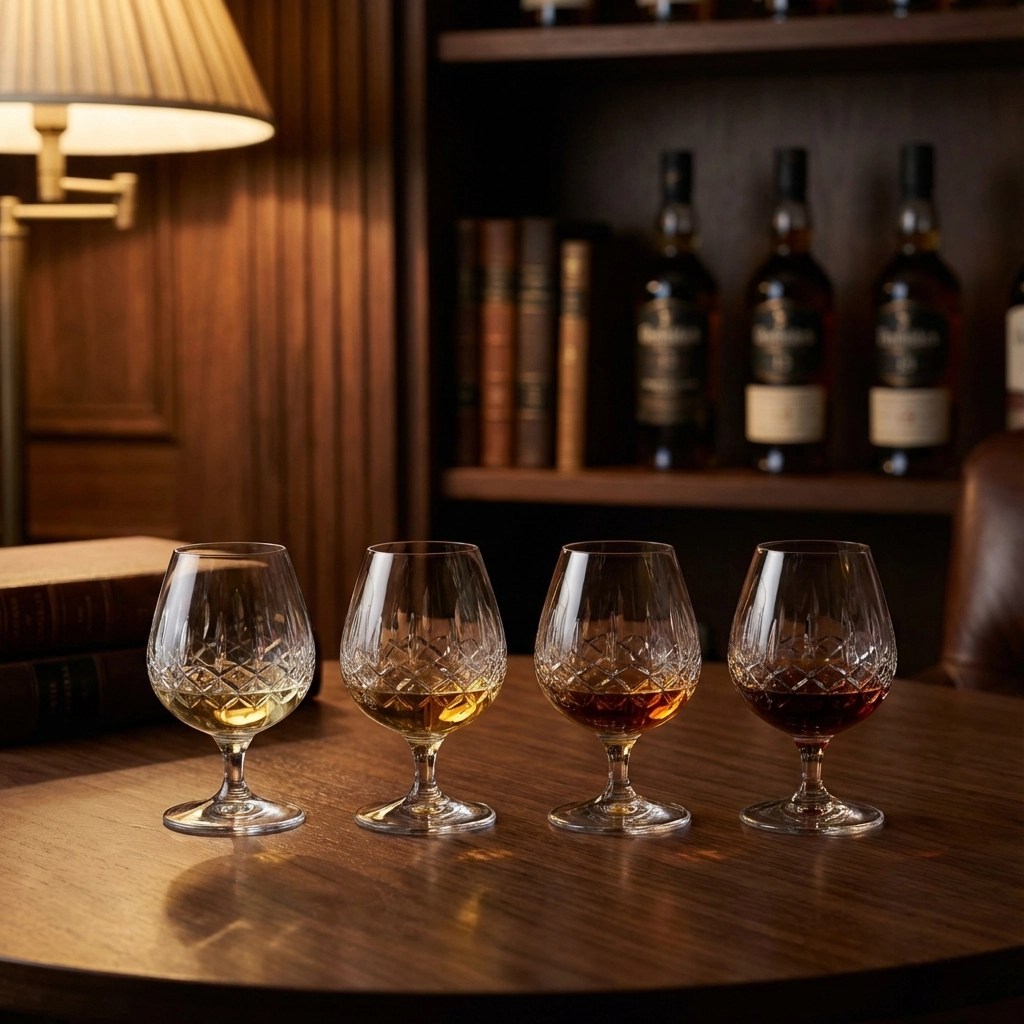
Pernod Ricard is doing something similar, crawling social media and food trends to spot emerging flavor preferences. They've identified growing demand for fruity and exotic profiles – which explains why my local liquor store suddenly has seventeen different fruit-infused whiskeys that taste like they were designed by a committee of Instagram influencers.
The Reality Check: This isn't magic. It's sophisticated data analysis that helps distilleries make educated guesses about consumer preferences. Useful? Absolutely. Revolutionary? Let's pump the brakes.
2. Blending Optimization: The Algorithm That Thinks It's a Master Distiller
Now we're getting into the meat of it. Beam Suntory developed something called "Beam Complete" that predicts how different flavor combinations will interact before they even hit the bottle. It's like having a crystal ball, except the crystal ball went to MIT and has strong opinions about phenolic compounds.
Mackmyra Distillery in Sweden made headlines in 2019 with what they marketed as the "world's first AI-generated whisky." They used Microsoft's AI platform to analyze over 70 million possible combinations and recommend a recipe. Seventy million combinations – that's more options than a suburban mom has for her kid's soccer snack rotation.
The BS Meter Reading: Here's where the marketing gets slippery. The AI didn't "create" whiskey – it analyzed data and made recommendations. Humans still made the actual whiskey. It's like saying your GPS "drove" you to work. Technically helpful, but let's not get carried away with the credit assignment.
3. Production Process Monitoring: AI Babysitting Your Bourbon
This is where AI actually earns its keep. Machine learning systems are monitoring fermentation by tracking temperature sensors and pH meters, predicting fermentation times with scary accuracy. It's like having a really anal-retentive lab assistant who never sleeps and never gets tired of checking the same numbers every five minutes.
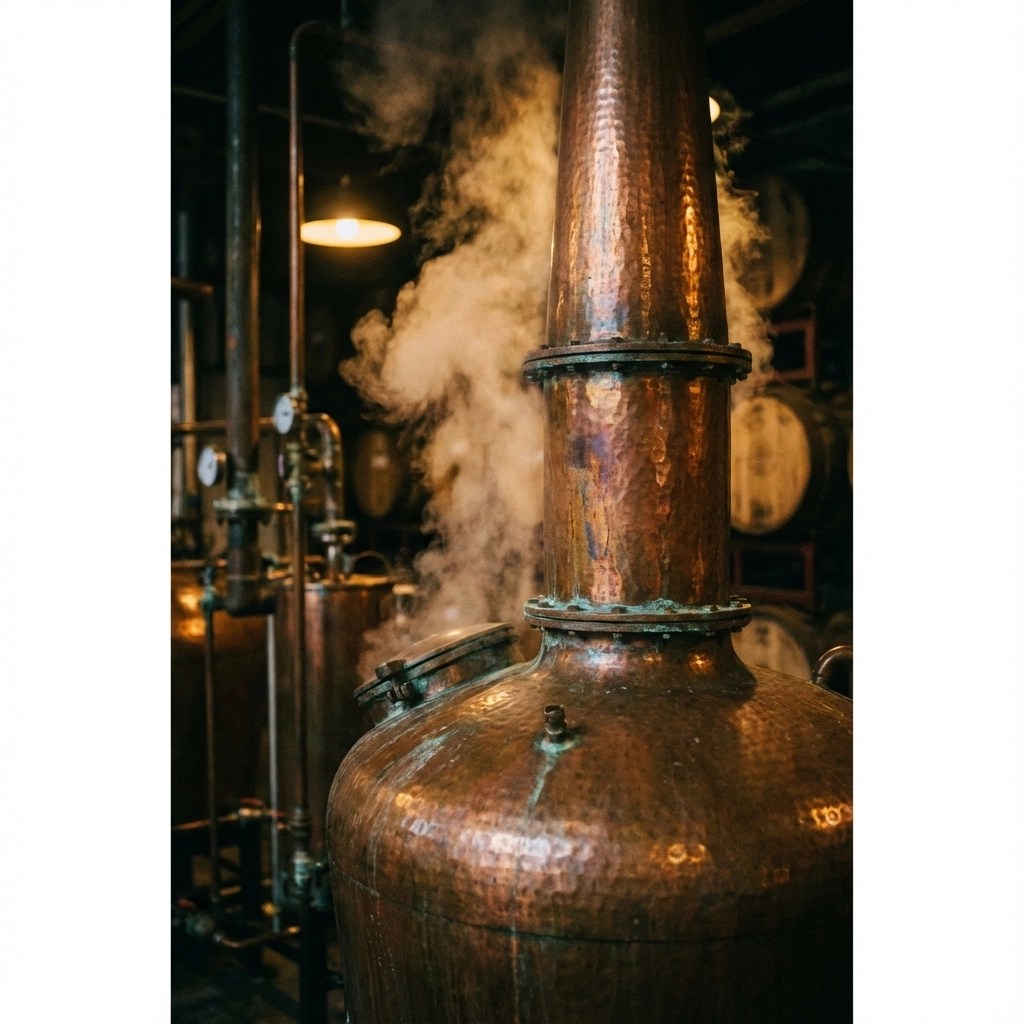
Glenfiddich even converted their liquid waste into fuel for delivery trucks using AI-optimized processes. Finally, an AI application that literally turns trash into treasure instead of just burning through venture capital.
The Skeptical Take: Process optimization is genuinely valuable, but companies are presenting this like they've invented some kind of whiskey-making wizardry. Really, they've just automated quality control. It's impressive engineering, not magic.
4. Maturation Prediction: Time Travel for Whiskey (Sort Of)
Here's where things get genuinely sci-fi-ish. AI systems are now simulating years of maturation data to predict how whiskey will taste after aging in casks for a decade or more. Companies like Diageo and Ardbeg are using machine learning to forecast flavor profiles during the maturation process.
Think about it – instead of waiting 12 years to see if your whiskey experiment worked, you can get a pretty good idea in months. It's like having a time machine, except instead of preventing disasters, you're just preventing really expensive mistakes involving oak barrels and disappointed customers.
The Reality: This is legitimately cool technology that can accelerate R&D and reduce waste. But let's be clear – AI can't replace the actual aging process. It's more like having a really good weatherman for whiskey.
5. Authentication and Anti-Counterfeiting: CSI Meets Single Malt
Machine learning is being used for chemical fingerprinting to verify whiskey authenticity and catch counterfeits. Researchers have successfully identified fake bourbon using AI analysis of chemical compounds. It's like having a digital sommelier with a PhD in chemistry and trust issues.
One team even caught counterfeit bourbon in a private collection using these methods. Imagine being that collector – you think you've got a rare bottle worth thousands, and some algorithm basically tells you, "Nah, that's fake, buddy."
6. The Customization Mirage: Your Personal AI Whiskey Fairy
Now we're getting into the territory where marketing departments start getting creative with the truth. Companies are talking about creating fully customized whiskeys for individual consumers using AI to analyze personal preferences and craft bespoke bottles.

The BS Alert: This is mostly vaporware right now. Sure, the technology exists in theory, but mass-market personalized whiskey production? That's about as realistic as getting consistent Wi-Fi on airplane flights. The costs would be astronomical, and most consumers aren't willing to pay $300 for a bottle of "AI-crafted personal whiskey" that tastes marginally different from the shelf version.
7. Demand Forecasting: AI Crystal Ball for Booze Sales
The least sexy but probably most practical application is using AI to predict market demand. Companies are analyzing everything from weather patterns to social media trends to forecast what types of whiskey will sell in different regions.
It turns out people buy more whiskey when it's cold (shocking, I know), and social media buzz around certain flavor profiles actually correlates with sales increases. Who could have predicted that humans are predictable?
The Real Talk: This is just sophisticated market research with better math. Valuable for business? Sure. Worth a press release about "AI revolutionizing the spirits industry"? Please.
The Bottom Line: Separating Signal from Noise
Here's what's actually happening versus what the marketing departments want you to believe:
What's Real: AI is genuinely improving quality control, reducing waste, accelerating R&D, and helping companies better understand consumer preferences. These are legitimate operational improvements with measurable benefits.
What's Hype: Claims about AI "creating" whiskey, fully autonomous production, or magical personalization capabilities that don't exist at scale yet.
The truth is, AI in whiskey production is like a really good sous chef – incredibly helpful for prep work and consistency, but the master distiller is still calling the shots. Human expertise, traditional techniques, and good old-fashioned sensory evaluation remain at the heart of whiskey-making.
So the next time you see a headline about AI revolutionizing whiskey, remember: some of it's legit innovation wrapped in marketing hyperbole. The technology is real and useful, but it's not replacing centuries of distilling wisdom anytime soon.
And honestly? That's probably for the best. I want my whiskey made by humans who understand that some things can't be optimized by an algorithm – like the perfect amount of char on a barrel or the satisfaction of a well-crafted dram after a long day of calling out tech industry BS.
Want more skeptical takes on tech trends? Check out our latest episodes on TechTime Radio where we dive deep into the stories behind the hype.