How Private Can Your Smart Home Really Be?
Here are 10 blog post titles for your review:
-
How Private Can Your Smart Home Really Be? – Assess current privacy limitations of smart homes, with real examples. TechTime Radio skepticism, practical tips included.
-
AI Bubble or AI Gold Rush? What $500 Billion in "AI Investment" Actually Buys You – Break down where all that AI money is really going and what consumers actually get vs. marketing hype.
-
Why Your "Secure" Password Manager Probably Isn't – Examine recent breaches and vulnerabilities in popular password managers, with alternatives that actually work.
-
The EV Charging Network Nobody Talks About: Why Tesla's Monopoly Is Crumbling – Reality check on charging infrastructure, costs, and what happens when the hype meets physics.
-
Cryptocurrency in 2025: Still a Scam or Finally Growing Up? – Honest assessment of where crypto stands after the crashes, regulations, and what's actually useful now.
-
Your Smart TV Is Spying on You: Here's What It Actually Knows – Deep dive into data collection by major TV manufacturers and how to actually protect yourself.
-
Why 5G Still Doesn't Live Up to the Promise (And Probably Never Will) – Technical reality vs. marketing claims, with real-world speed tests and coverage maps.
-
The Cloud Storage Wars: Which Services Actually Protect Your Data? – Compare privacy policies, encryption, and real security practices of major cloud providers.
-
Social Media "Privacy Settings" That Don't Actually Work – Expose the gaps in privacy controls across platforms and what data still gets collected.
-
Why Your New Car Is the Worst Tech Purchase You'll Make This Decade – Examine planned obsolescence, software updates, subscription services, and privacy issues in modern vehicles.
Let me give you the short answer first: your smart home is about as private as a glass house in Times Square. Sure, the manufacturers promise "military-grade encryption" and "privacy by design," but after covering tech for years, I've learned to translate corporate speak. What they really mean is "we'll protect your data until it becomes inconvenient or profitable not to."
The smart home industry wants you to believe that convenience and privacy can coexist peacefully. Spoiler alert: they can't. Every "smart" device you add to your home is essentially another spy that you're paying to monitor your life. And unlike government surveillance, you're literally inviting these devices in and covering the electric bill.
The Data Collection Reality Check
Your smart home doesn't just collect data, it hoovers up everything about your daily existence with the enthusiasm of a Black Friday shopper. That innocent-looking smart thermostat? It knows when you're home, when you sleep, and can even detect how many people are in your house based on movement patterns.
Smart speakers are the worst offenders. Despite claims that they only listen after hearing wake words, these devices have been caught recording private conversations, sending them to random contacts, and storing years of audio data. Amazon's Alexa has recorded couple's arguments, children's conversations, and even business meetings. When pressed about this, Amazon's defense was essentially "oops, our AI made a mistake."
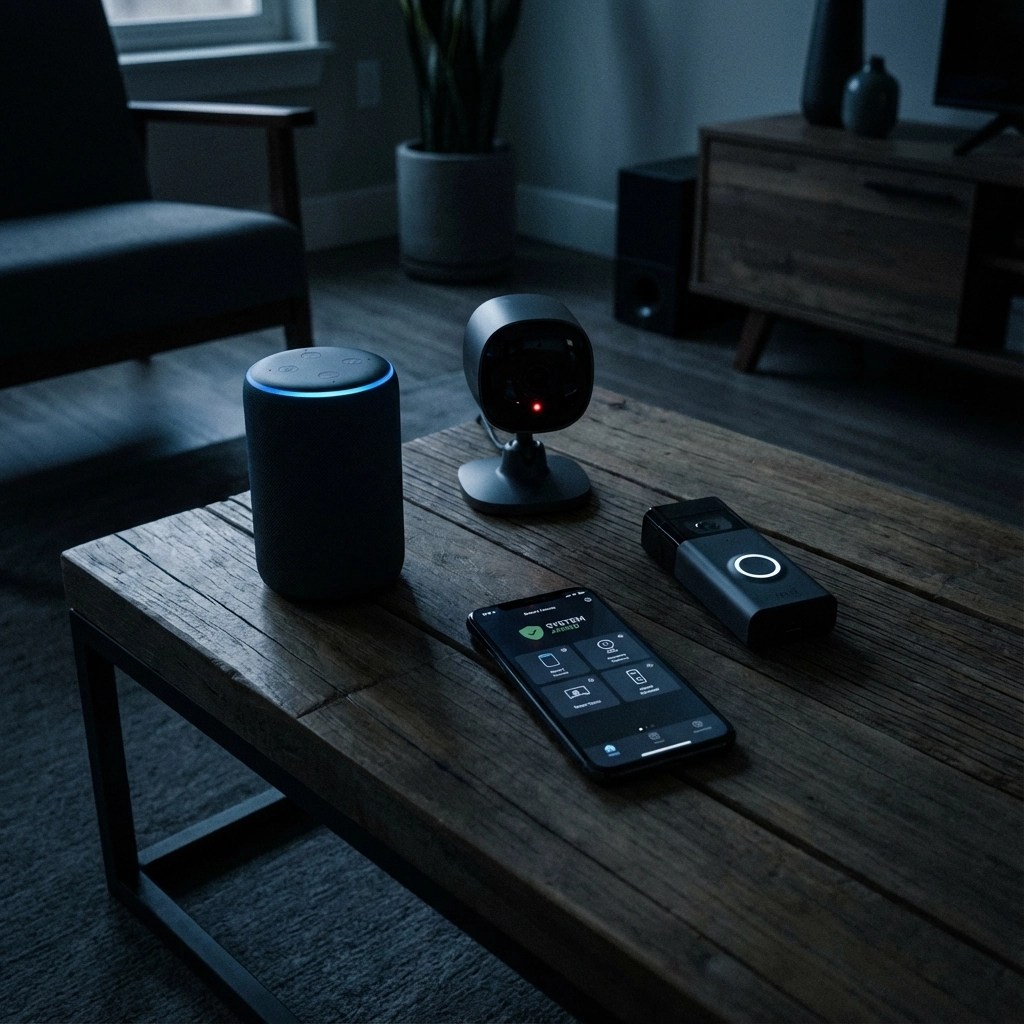
Your smart doorbell doesn't just protect your package deliveries, it's creating a surveillance network that would make authoritarian regimes jealous. Ring, owned by Amazon, has partnerships with over 2,000 police departments, giving law enforcement access to footage without warrants in some cases. Your neighborhood watch just became corporate-sponsored government surveillance.
Even seemingly harmless devices like smart light bulbs collect data. Philips Hue bulbs track your usage patterns, which can reveal when you're home or away. Some smart TVs have been caught monitoring what you watch and sending viewing data to advertisers. Your viewing habits aren't just entertainment choices, they're psychological profiles being sold to the highest bidder.
The Security Nightmare
Smart home security is like Swiss cheese, full of holes and not nearly as protective as advertised. Most devices ship with default passwords like "admin" or "123456," because apparently, security is optional when you're rushing to market.
The interconnected nature of smart homes creates what security experts call an "attack surface area" roughly the size of Texas. Compromise one device, and attackers can potentially access your entire network. That cheap smart plug you bought on sale? It could be the entry point that gives hackers access to your security cameras, door locks, and personal files.
Firmware updates, when they exist, are often delayed or abandoned entirely. I've seen smart home devices that haven't received security updates in years, leaving them vulnerable to exploits that script kiddies could execute. Manufacturers love to sell you new devices but hate spending money maintaining the old ones.
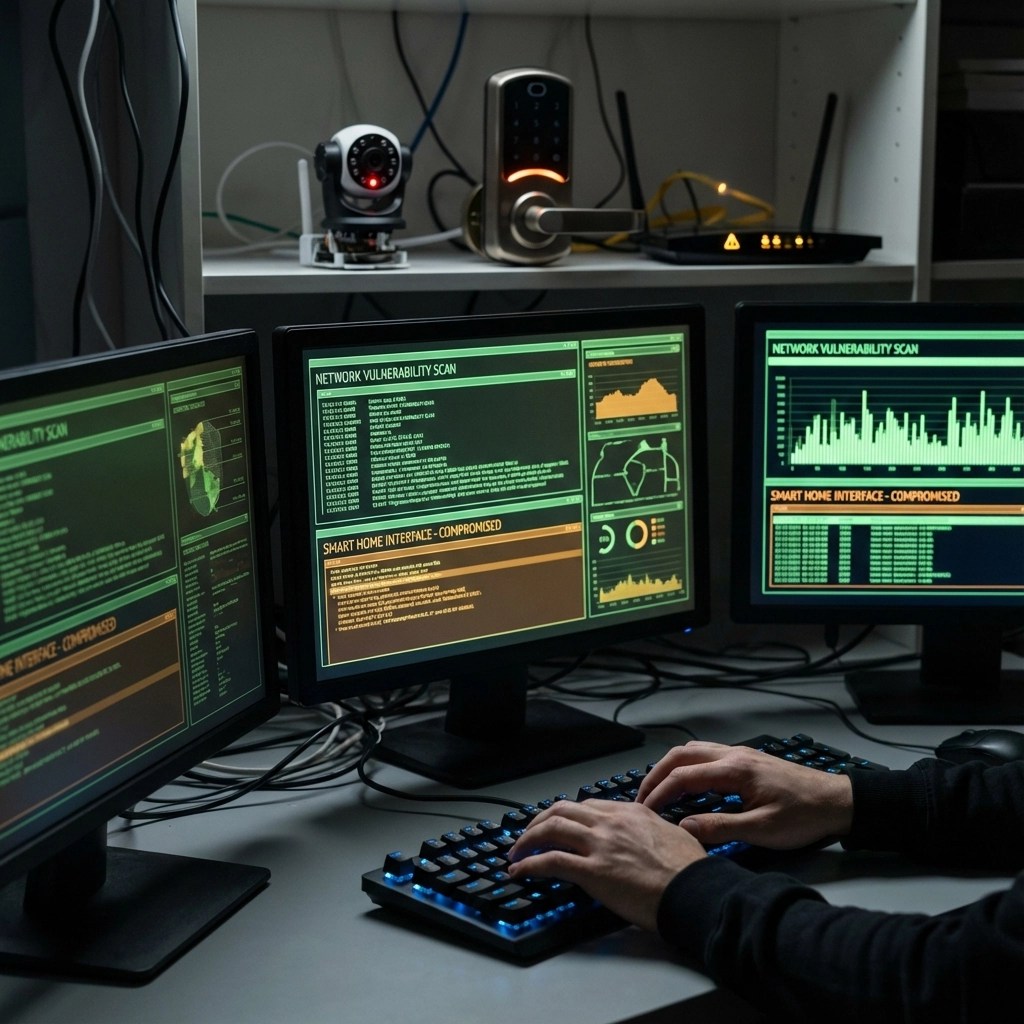
The reality is that most smart home manufacturers prioritize features and cost-cutting over security. They're building devices to last just long enough to avoid warranty claims, not to provide long-term security for your home.
Real-World Privacy Breaches
The privacy violations aren't theoretical, they're happening every day. Hackers have gained access to smart baby monitors, talking to children and terrifying families. Smart home cameras have been breached, with intimate footage showing up on pornographic websites. One family discovered their Nest camera had been hacked when strangers started shouting racist slurs through their baby monitor.
Amazon employees have been caught listening to thousands of Alexa recordings, supposedly for "quality improvement." Google admitted that contractors regularly review Google Home recordings. These companies want you to believe this is about improving their AI, but it's really about harvesting data for advertising purposes.
Location tracking through smart home devices has led to stalking cases where abusive partners use IoT devices to monitor victims' movements. Smart locks have been hacked to allow unauthorized entry. Even smart garage door openers have been compromised, giving attackers physical access to homes.
The psychological impact is often underestimated. Knowing that your devices might be listening, watching, or recording creates a constant state of low-level anxiety. You start modifying behavior in your own home, the one place that should be truly private.
The Data-Sharing Economy
Here's what the fine print doesn't emphasize: your smart home data doesn't stay with the device manufacturer. It gets shared, sold, and monetized in ways that would shock most consumers. Smart doorbell footage is used to train facial recognition systems. Voice recordings help improve speech recognition for surveillance applications. Your daily routines become part of demographic profiles sold to advertisers.

Insurance companies are increasingly interested in smart home data to adjust premiums. Your smart smoke detector could report that you burn dinner frequently, potentially affecting your homeowner's insurance. That smart fitness tracker could reveal health issues that impact your life insurance rates.
Third-party data brokers aggregate information from multiple smart home devices to create detailed profiles of your habits, preferences, and lifestyle. This data is then sold to marketers, political organizations, and anyone else willing to pay.
Fighting Back: Practical Privacy Protection
Despite the grim reality, you're not completely powerless. First, segment your network. Put smart devices on a separate network isolated from your computers and phones. Many routers support guest networks, use them for IoT devices.
Change default passwords on every device, and use unique, complex passwords. Enable two-factor authentication where available. Regularly check what devices are connected to your network and remove ones you no longer use.
Read privacy policies, I know, it's torture, but understanding what data companies collect is crucial. Look for devices that process data locally rather than in the cloud. Some newer security cameras can analyze footage on-device without sending it to manufacturer servers.
Consider open-source alternatives like Home Assistant, which gives you control over your data. Yes, it requires more technical knowledge, but it's the only way to truly control what happens to your information.
Disable unnecessary features. Your smart TV doesn't need internet access if you're using a separate streaming device. Your smart speakers don't need to monitor for wake words when you're not home.
The Bottom Line
Smart homes represent a fundamental trade-off between convenience and privacy, and most people don't realize how much privacy they're sacrificing. The industry's promises about protecting your data are largely marketing theater designed to make you feel better about surveillance you're paying for.
The technology exists to make truly private smart homes, but there's no profit in privacy. Surveillance capitalism depends on data collection, and smart home devices are just the latest extraction method.
If you want true privacy, the best smart home device is a dumb home with manual switches and no internet connection. But if you're going to embrace smart home technology, do it with your eyes wide open. Understand the risks, minimize your exposure, and never trust corporate promises about privacy.
Your smart home might be convenient, but it's definitely not private. The question isn't whether your data will be collected: it's what you're going to do about it.