CES 2026 Preview: The 5 Gadgets Everyone Will Be Talking About
Here we go again, folks. CES 2026 is just around the corner, and the tech industry is already hyping up the "revolutionary" gadgets that will supposedly change our lives forever. As someone who's covered this beat for years, I've learned to approach these promises with a healthy dose of skepticism. Still, there are always a few genuinely interesting products that emerge from the Vegas spectacle.
Let me break down the five gadgets that everyone will be talking about this year – and more importantly, which ones might actually matter once the marketing dust settles.
Intel's Core Ultra Series 3: The "AI PC" Push Gets Real
Intel is rolling out their Core Ultra Series 3 processors at CES 2026, built on their new 18A process node. They're calling these the foundation of "AI PCs," which honestly sounds like the latest buzzword bingo card entry. But here's the thing – the specs are actually impressive.
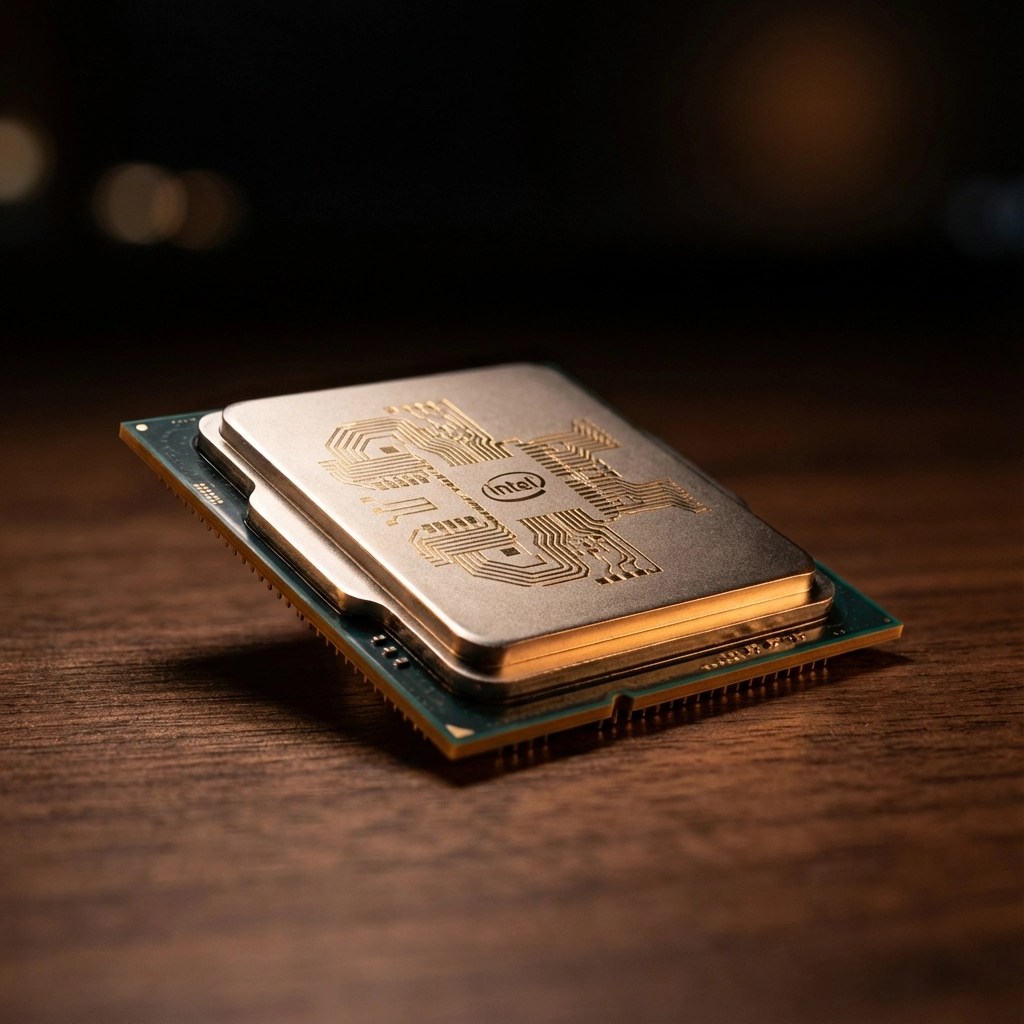
Intel claims a 50% performance boost over the previous generation, with matching improvements to their integrated Arc GPU. That's significant if it holds up in real-world testing. The focus on AI acceleration isn't just marketing fluff either – these chips are designed to handle machine learning tasks locally, which could finally make AI features feel responsive instead of laggy.
The skeptic in me wonders if we're solving problems that don't really exist. Do we need AI built into every laptop operation? Probably not. But faster processors with better graphics are always welcome, regardless of the AI angle they're pushing.
What's interesting is Intel's timing. They're clearly trying to get ahead of whatever Apple and ARM manufacturers have cooking. The question is whether laptop manufacturers will actually implement these features in meaningful ways, or just slap "AI-enabled" stickers on the same old designs.
Robot Vacuums Finally Grow Some Arms (Literally)
The robot vacuum space is getting weird in the best possible way. Companies like Roborock are showcasing models with retractable arms – yes, actual robotic arms that can pick up small objects before vacuuming.
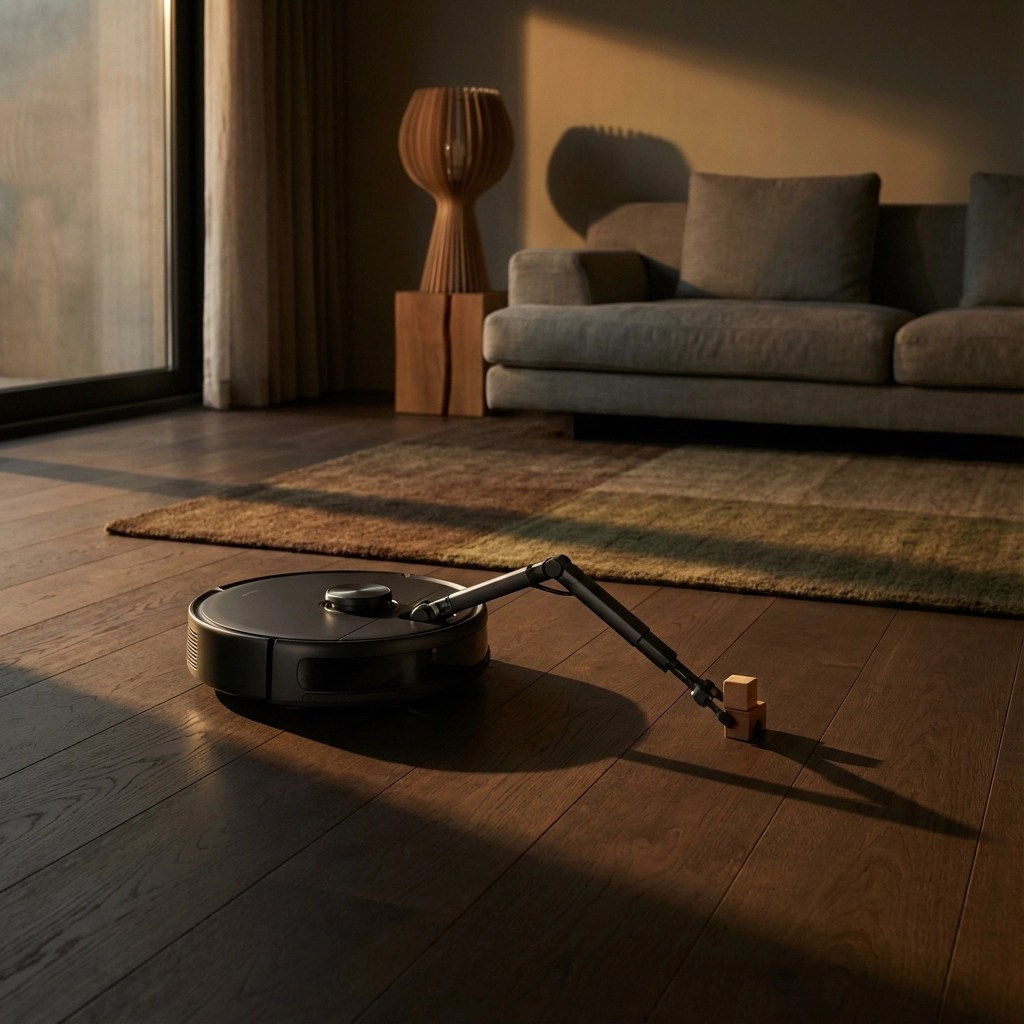
The Roborock Saros Z70 represents this new category, and it's either brilliant or completely ridiculous. The idea is simple: instead of you having to pick up socks, toys, or charging cables before the robot does its thing, it handles the prep work itself.
I'm cautiously optimistic about this one. Anyone who's ever owned a robot vacuum knows the pre-cleaning ritual – walking around picking up everything the robot might get confused by. If these arms actually work reliably, that's a genuine quality-of-life improvement.
But let's be real about the limitations. These aren't going to fold your laundry or organize your closet. They're designed for simple pickup tasks, and they'll probably struggle with anything heavier than a paperback book. Still, eliminating even that basic prep work would make robot vacuums significantly more useful.
The Roborock Qrevo Curv 2 Flow is also getting attention for being the first model with a retractable roller mop. Again, it's solving a real problem – traditional robot mops drag dirty water around and can't clean themselves properly.
Samsung's Folding Phone Evolution: Three Screens, Three Times the Problems?
Samsung is reportedly showcasing their Galaxy Z Trifold at CES 2026, and the photos look impressive. It's essentially a phone that unfolds into a tablet that unfolds again into something approaching a small laptop screen.
The engineering is undeniably cool. Bendable, rollable displays represent some serious technological achievement. But I can't shake the feeling that we're adding complexity for the sake of complexity.
Think about it: current folding phones already have durability concerns, higher prices, and thicker profiles than traditional smartphones. Now we're adding another hinge, another potential failure point, and even more screen real estate to crack or scratch.
Samsung is also pushing their HDR10+ Advanced standard to compete with Dolby Vision. This actually matters more than the folding phone, in my opinion. Better video standards benefit everyone, regardless of which specific device you're using.
The display technology itself is genuinely impressive – micro-OLED panels with brightness levels that supposedly make them usable in direct sunlight. But until the durability and cost issues get sorted out, folding phones will remain expensive toys for tech enthusiasts rather than practical devices for regular users.
Medical-Grade Wearables: Actually Useful Health Monitoring
This is where things get interesting. The wearable category is finally growing up, moving beyond step counting and heart rate estimates to actual medical-grade monitoring.

We're talking about patches that can provide clinical-quality ECG readings, continuous glucose monitoring without finger pricks, and smart textiles with embedded sensors that track everything from muscle fatigue to stress hormones.
Unlike previous wearable hype cycles, this one is backed by actual regulatory approvals. These aren't fitness gadgets pretending to be medical devices – they're legitimate health monitoring tools that happen to be wearable.
The potential here is huge. Imagine catching heart problems before they become emergencies, or managing diabetes without constant blood testing. For people with chronic conditions, this technology could be genuinely life-changing.
My concern is cost and insurance coverage. Medical-grade devices typically come with medical-grade price tags. If these innovations remain luxury items, they won't help the people who need them most. But if manufacturers can achieve reasonable pricing, this could be the first wearable category that actually justifies its existence.
Smart Glasses: The Next Big Thing or Another Google Glass?
Both Meta and potentially Apple are expected to showcase smart glasses at CES 2026. Meta's already proven that people will actually wear smart glasses if they're useful and don't look ridiculous. The question is whether Apple's rumored entry will push the category into mainstream adoption.
Current smart glasses are basically smartphone accessories – they can take photos, play audio, and provide basic notifications. The next generation promises ambient AI integration, which sounds impressive until you think about battery life and processing limitations.
Here's my take: smart glasses will succeed when they solve real problems without creating new ones. Taking hands-free photos and videos? Useful. Getting directions without looking at your phone? Definitely helpful. Having an AI assistant that can see what you're looking at and provide relevant information? Potentially game-changing.
But privacy concerns are legitimate, battery life will be challenging, and the social acceptance factor is still unresolved. Google Glass failed partly because it made people uncomfortable. Current smart glasses work because they look relatively normal. If manufacturers can maintain that balance while adding useful features, this category might finally take off.
The key will be Apple's approach, if they actually announce something. Apple has a track record of entering categories late but getting the execution right. If they can make smart glasses that feel essential rather than gimmicky, the entire wearable market could shift.
The Reality Check
Look, CES always promises to change everything, and it rarely does. Most of these gadgets will launch with high prices, limited availability, and first-generation quirks that make them more impressive in demos than daily use.
But there are genuine innovations happening here. Faster processors, smarter robots, better displays, medical-grade health monitoring, and potentially useful smart glasses represent real progress. The question isn't whether these technologies will eventually matter – it's how long it'll take them to become affordable and reliable enough for normal people to actually use.
My advice? Get excited about the technology, but temper expectations about immediate availability and pricing. The coolest stuff at CES typically takes 2-3 years to become practical for most consumers.
That said, 2026 might be the year that several of these categories finally mature from "interesting prototype" to "actually useful product." And that would make CES worth watching for reasons beyond the spectacle.
We'll see if any of these gadgets live up to their promises. In the meantime, I'll be covering all the developments on TechTime Radio, because someone needs to separate the genuine innovations from the marketing hype.