
AI Weather Forecasting: 5 Things Experts Don't Want You to Know About the New Climate Tech
Everyone's talking about how AI is revolutionizing weather forecasting. Tech companies are pushing headlines about "breakthrough accuracy" and "game-changing predictions." But here's the thing, when you dig into what actual meteorologists and researchers are saying behind closed doors, the picture isn't quite as rosy as the marketing departments want you to believe.
Don't get me wrong, AI weather forecasting has made some genuine improvements. But the tech industry's hype machine is in full swing, and they're glossing over some pretty significant limitations that could leave you high and dry when it really matters.
1. AI Completely Falls Apart During Unprecedented Weather Events
Here's something the AI weather companies don't advertise: their systems are basically useless when truly extreme weather hits. Research published in the Proceedings of the National Academy of Sciences found that while AI models can handle routine forecasting pretty well, they completely fail when predicting high-intensity weather events that weren't in their training data.
Think about it logically. These neural networks can only predict based on patterns they've seen before. So when a once-in-a-century storm rolls in, or when we get those record-breaking heat domes that seem to be popping up more frequently, AI models just… shrug. They literally cannot forecast what they haven't been trained on.
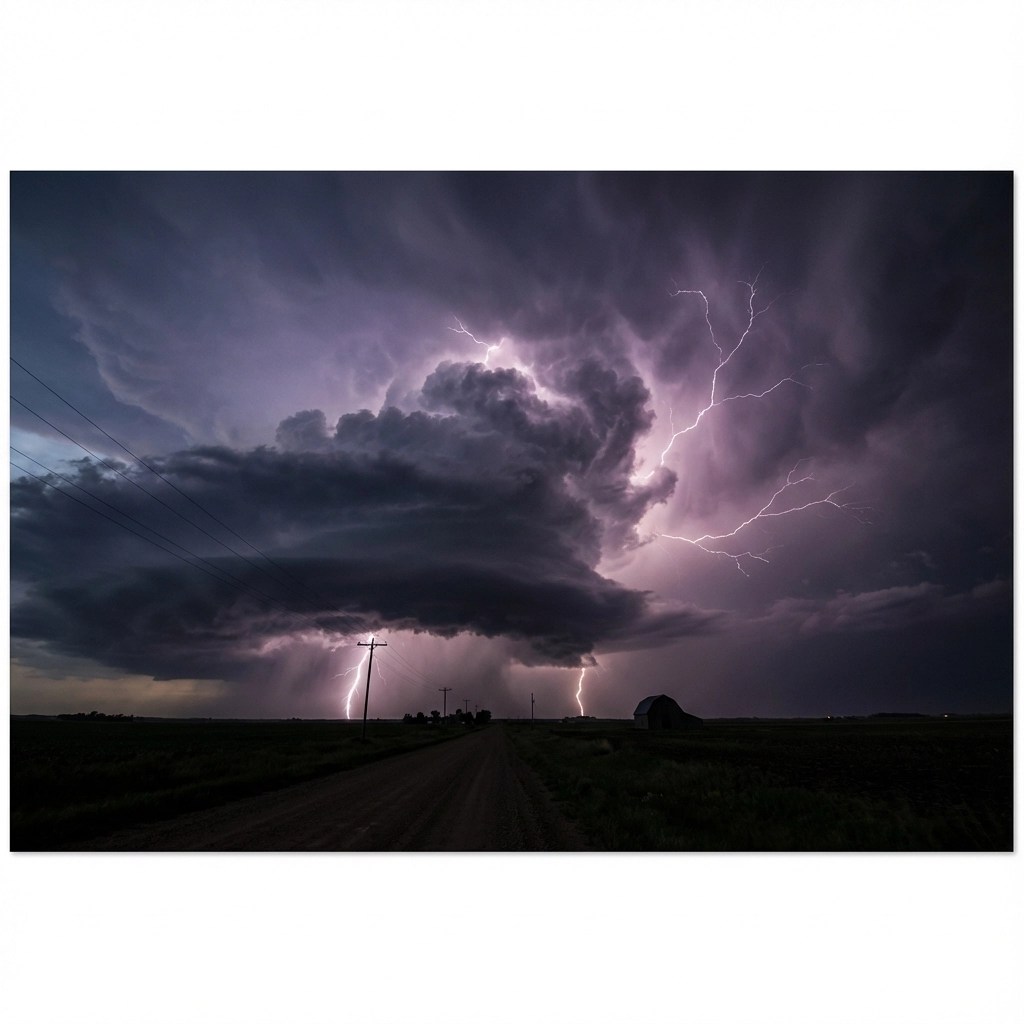
This isn't some minor technical limitation, it's a fundamental flaw. Climate change is bringing us more unprecedented weather events, not fewer. So right when you need accurate forecasts the most, during those dangerous, record-breaking storms, AI systems are flying blind.
The irony is thick here. We're being sold AI weather forecasting as the solution to our increasingly chaotic climate, but it's specifically designed to fail during the exact scenarios where accurate predictions could save lives and property.
2. Local Weather Still Stumps These "Advanced" Systems
You know those sudden afternoon thunderstorms that seem to come out of nowhere? Or those weird microclimates where one side of town gets hammered while the other stays dry? Yeah, AI still can't handle those properly.
Researchers are pretty blunt about this limitation. They've identified "localized high-impact events" as a major blind spot that needs to be resolved before these systems can be widely deployed. But here's the kicker, those local events are often the ones that matter most to regular people.
Your commute gets ruined by a sudden downpour that wasn't supposed to happen. Your outdoor wedding gets washed out despite a "clear skies" forecast. That hiking trip turns dangerous when an unexpected storm rolls through the mountains.
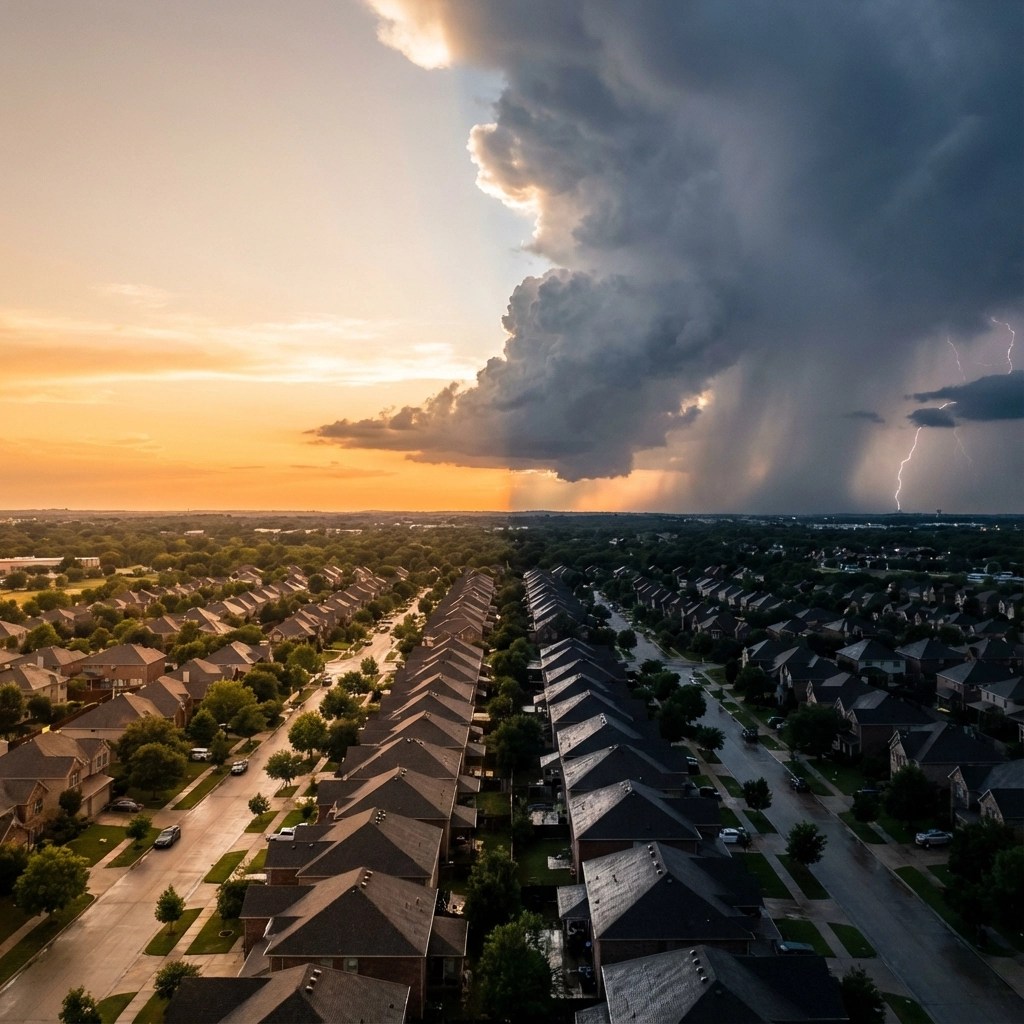
The tech companies love to show off their global forecasting abilities with fancy visualizations of continental weather patterns. But they're conveniently quiet about the fact that they still can't reliably tell you if it's going to rain on your specific neighborhood this afternoon.
3. Massive Data Gaps Make Forecasts Unreliable Where You Need Them Most
Here's a dirty little secret about AI weather forecasting: it's only as good as the data it gets fed. And there are massive holes in weather monitoring coverage across the planet.
Sparse data over oceans and remote areas severely limits forecast accuracy. If you live in a developing nation, on an island, or anywhere that doesn't have dense sensor networks, you're getting second-class weather predictions. The AI models just don't have enough information to work with.
This creates a kind of weather forecasting inequality. Rich, well-monitored areas get increasingly accurate predictions, while everywhere else gets left behind. It's the digital divide applied to meteorology.

Even in well-covered areas, the data quality can be questionable. Weather stations break down, sensors drift out of calibration, and maintenance can be spotty. But AI models don't know when they're working with bad data, they just churn out predictions anyway.
4. AI Ignores the Chaos That Actually Drives Weather
Remember the butterfly effect? That idea that tiny changes can cascade into massive differences in weather patterns? Well, current AI weather models basically pretend it doesn't exist.
These systems often ignore small-scale atmospheric processes, the exact micro-phenomena that chaos theory suggests drive the ultimate limits of weather predictability. By leaving out these details, AI models create what researchers call "an illusion of extended predictability."
In other words, these systems might tell you with apparent confidence what the weather will be like next week, but they're missing the tiny factors that could completely change everything. It's like trying to predict the stock market while ignoring small investors, you might get the big trends right sometimes, but you're missing crucial pieces of the puzzle.
The dangerous part is that this false confidence could lead to poor decision-making. Emergency managers might not prepare adequately for storms because the AI said they'd be weaker. Airlines might not adjust routes because the forecast looked clear. The consequences of overconfident predictions can be serious.
5. Hurricane and Extreme Weather Forecasting Still Needs Major Work
Despite all the hype, even NOAA, the gold standard for weather forecasting, admits their new AI models still have significant issues with hurricane forecasts and extreme weather events.
They've specifically identified areas requiring improvement in their AI systems, particularly concerning hurricane track predictions and the diversity of outcomes produced by ensemble forecasting. This means that some of the most dangerous and impactful weather events, the ones where accurate forecasting literally saves lives, remain challenging for AI to predict reliably.
Hurricane season brings in billions in property damage and affects millions of people every year. If AI can't get these major storms right, what good is it really doing? Sure, it might tell you whether to bring an umbrella tomorrow, but when it comes to the weather that really matters, we're still working with the same fundamental limitations we've always had.
The Reality Check We Need
Look, I'm not anti-technology. AI weather forecasting has made some genuine improvements, especially for routine, short-term predictions. But the way it's being marketed is setting up unrealistic expectations that could lead to dangerous overconfidence.
The truth is, weather prediction is hard. Really hard. Adding AI to the mix helps with some problems but creates new ones. The systems work great when they're dealing with familiar patterns, but they struggle with exactly the kind of extreme, unprecedented weather that climate change is throwing at us more frequently.
Before we hand over our weather forecasting entirely to AI systems, maybe we should be honest about their limitations. Because when the next superstorm hits and the AI model completely missed it, "we're still working on the algorithm" isn't going to help the people who needed that warning.
The weather doesn't care about our artificial intelligence. And until AI can handle the full complexity and chaos of atmospheric physics, we should probably keep some healthy skepticism about those confident 10-day forecasts.
Want to stay informed about technology's real capabilities and limitations? Check out more of our analysis at TechTime Radio, where we cut through the hype to tell you what tech can actually do.