
AI Bubble or AI Gold Rush? What Tech Experts Don't Want You to Know About Those $10 Billion Investments
Here on TechTime Radio, we've been watching the AI investment frenzy with more than a little skepticism. Every week brings another headline about billions flowing into AI startups, while the actual revenue numbers tell a very different story. So let's cut through the hype and look at what's really happening with all this money.
The Numbers Don't Add Up (And That Should Worry You)
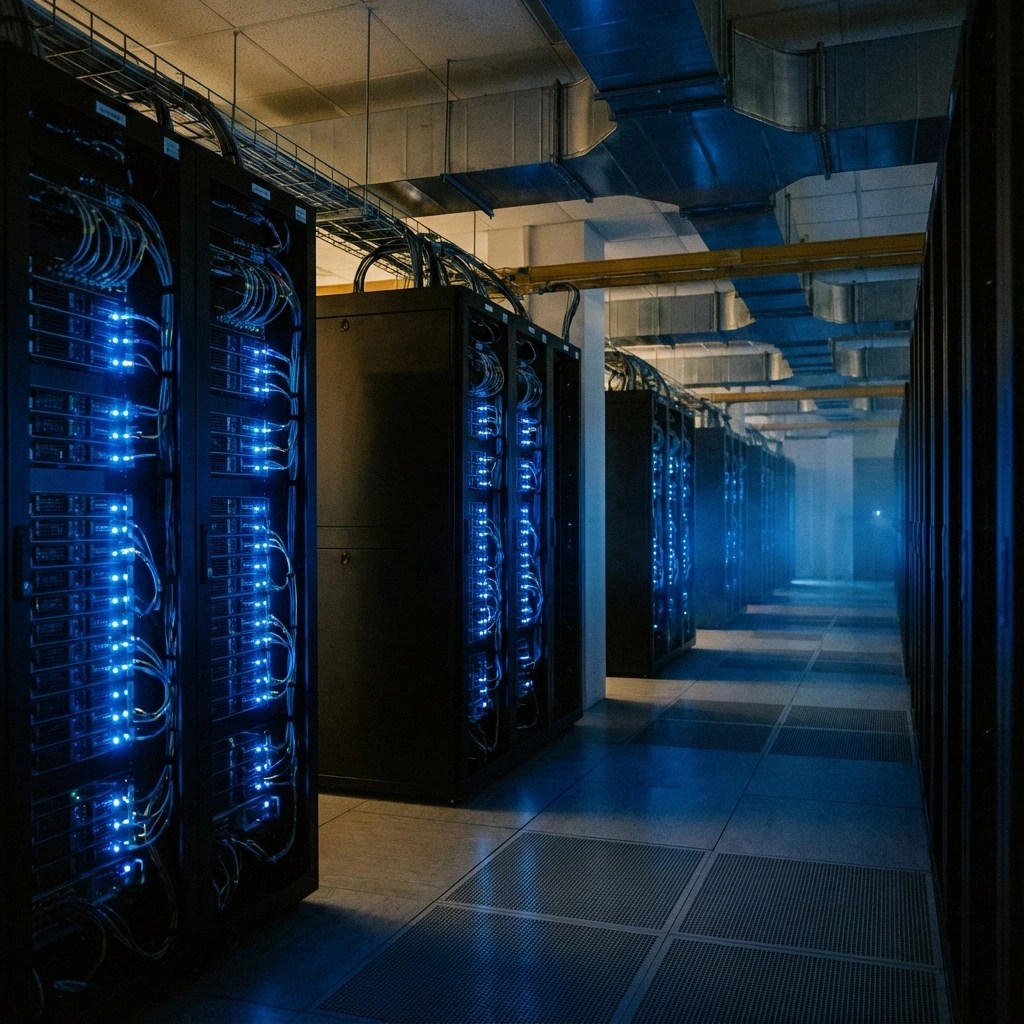
Let's start with some uncomfortable facts that most AI cheerleaders prefer to gloss over. Annual AI-related data center spending in 2025 is hitting around $400 billion. Meanwhile, actual AI revenue? About $60 billion.
That's a 6x to 7x gap between what we're spending to build AI infrastructure and what AI companies are actually earning. In any other industry, we'd call this what it is: a massive overcapitalization problem.
Take OpenAI, the poster child of the AI revolution. They've reportedly secured over $1.4 trillion in commitments. Their expected 2025 earnings? Just $13 billion. That's a 107-to-1 ratio between commitments and expected returns. If this was a traditional tech IPO, the SEC would be asking some very pointed questions.
Why "This Time Is Different" Might Actually Be True (But Not How You Think)
Now, before you write me off as another tech pessimist, let's acknowledge something important: AI infrastructure isn't just hype-driven speculation. Unlike the dot-com bubble where companies burned cash on Super Bowl ads with no viable business model, AI requires genuine, massive infrastructure investments.
The Harvard Business Review recently pointed out that achieving long-term AI capabilities demands capital-intensive buildouts. We're talking about more data centers, advanced semiconductor chips, and enough electricity to power small countries. This isn't Pets.com burning venture capital on sock puppet commercials.
But here's where it gets interesting: the structure of this investment cycle is fundamentally different from previous bubbles. Big Tech companies like Microsoft, Google, and Amazon aren't leveraging themselves into oblivion. They're spending their own cash reserves, which means when reality hits, we won't see the cascading failures that marked previous bubbles.

The Three Types of AI Investors (And Why Two of Them Are in Trouble)
Through our conversations with industry insiders on TechTime Radio, we've identified three distinct categories of AI investors:
The Infrastructure Giants: Companies like NVIDIA, Microsoft, and Amazon that are building the foundational technology. These players have deep pockets and long-term strategies. They'll likely survive any correction because they control the picks and shovels.
The AI-Native Startups: Companies like OpenAI, Anthropic, and Perplexity that are building directly on AI capabilities. Some of these will become the next Google or Facebook. Most won't survive the inevitable funding winter.
The AI-Washing Brigade: Traditional companies slapping "AI-powered" labels on existing products to justify higher valuations. These are your biggest bubble risk because they're fundamentally dishonest about their AI capabilities.
What the Funding Numbers Really Tell Us
Let's dig deeper into the investment patterns that most tech journalists are missing. Venture capital flowing into AI startups hit record levels in 2024, but the deal structure tells a more nuanced story.
Most of these mega-rounds come with liquidation preferences that essentially guarantee early investors get paid first. This means that unless these companies achieve truly massive exits, later investors and employees get wiped out. It's a classic late-stage bubble pattern: socializing the risk while privatizing the upside.

The geographic distribution is equally telling. Silicon Valley and a few other tech hubs are absorbing the majority of AI investment, creating localized market distortions that mirror the housing bubble's geographic concentration.
The Electricity Reality Check Nobody Wants to Discuss
Here's something most AI coverage conveniently ignores: the electrical grid implications of this buildout. Training large language models requires enormous amounts of power. We're talking about energy consumption that rivals small nations.
Current U.S. electrical infrastructure can't support the AI data center expansion that these investment levels assume. Unless we solve the energy equation, most of these AI infrastructure investments become stranded assets. That's not speculation: that's physics.
Some industry projections suggest AI data centers could consume 3-4% of total U.S. electricity generation by 2030. Without massive grid upgrades or breakthrough efficiency improvements, the math simply doesn't work.
Why This Matters for Tech Professionals
If you're working in tech, this investment cycle will impact your career whether you're directly involved in AI or not. Here's what we're seeing:
Talent Inflation: AI companies are paying astronomical salaries to attract talent, creating wage inflation across the entire tech sector. This looks great in the short term but creates unsustainable compensation expectations.
Resource Allocation: Traditional software development resources are being redirected toward AI projects, often without clear ROI justification. We've talked to several CTOs who admit they're pursuing AI initiatives primarily for competitive positioning rather than business value.
Skills Gap Reality: Despite the hype, most companies need traditional software engineering skills more than AI specialization. The job market obsession with "AI expertise" may be creating skills mismatches.
The Verdict: Bubble, Gold Rush, or Something Else?
After analyzing the numbers and talking to industry insiders, here's my take: we're experiencing something between a pure bubble and a legitimate gold rush. The technology is real, the long-term potential is significant, but the current valuations and investment pace are unsustainable.
The most likely scenario? A correction that separates the infrastructure players from the AI-washing crowd. Companies with genuine AI capabilities and sustainable business models will survive and thrive. The rest will become cautionary tales.
For tech professionals, this means focusing on fundamental skills while staying informed about AI developments. Don't bet your career on the AI hype cycle, but don't ignore it either.
What We're Watching Next
On TechTime Radio, we'll continue tracking the real metrics behind AI investment claims. Revenue per employee, energy efficiency improvements, and actual use case adoption rates tell a more accurate story than funding announcements.
The next 18 months will likely determine whether current AI valuations represent prescient investment in transformative technology or the largest misallocation of capital in tech history. Based on the numbers we're seeing, smart money is preparing for both scenarios.
Want to stay ahead of the AI investment story? Check out our weekly episodes where we dig deeper into the numbers behind the headlines, or explore our tech analysis blog posts for more skeptical takes on industry trends.
The AI revolution is real. The AI investment bubble is also real. Understanding the difference might just save your portfolio: and your career.