TikTok Is Tracking You… Even If You’ve Never Used It: The Pixel Problem
Let's go to Lisa Walker (Glinda) for more on this invasion that the new ownership of TikTok is using.
[Audio: TIKTOKSPYING]
If you thought deleting TikTok from your phone meant you were safe from its data-harvesting operation, I have some bad news for you. TikTok is expanding its surveillance empire, and avoiding the app won't protect you anymore. The platform is collecting deeply personal information from people who have never installed the app, thanks to an upgraded tracking system called the TikTok Pixel.
This tiny, invisible piece of code sits on websites across the internet and quietly sends TikTok data about your activity : including sensitive details like cancer diagnoses, fertility searches, and even mental-health crisis lookups. As cybersecurity experts are saying, "It's extremely invasive… you see things that look really bad."
What Is the TikTok Pixel, and Why Should You Care?
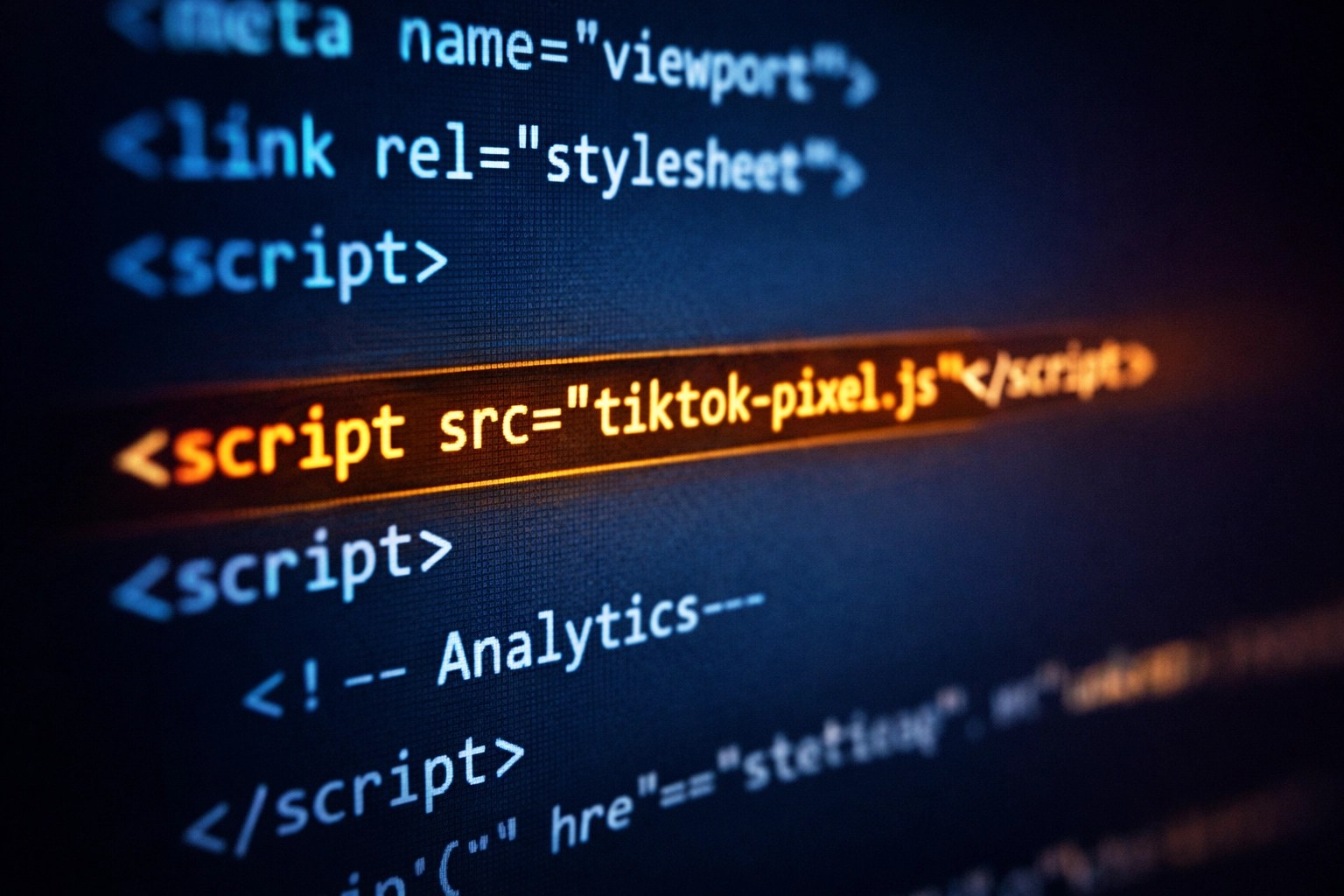
Think of the TikTok Pixel as a tiny spy embedded in websites you visit every day. When a website partners with TikTok (usually to run ads or track conversions), they embed this pixel throughout their pages. The moment you land on that site, the pixel springs into action, transmitting information about your activity directly to TikTok's servers.
And we're not just talking about "User viewed homepage" type data. The pixel captures your IP address, a unique identifier, the exact page you're viewing, what you're clicking on, what you're typing into forms, and what you're searching for. All of this happens silently in the background, without any notification or obvious consent dialog.
You don't need a TikTok account for any of this to happen. If a website uses the pixel, TikTok gets your data automatically : email addresses, page interactions, form submissions, and potentially extremely personal details about your health, finances, and family.
The Scope Is Staggering (And Growing Fast)
According to DuckDuckGo's privacy research, TikTok now has trackers on approximately 5% of the world's top websites, and that number is rising fast as advertisers flock to the platform's new tracking infrastructure. To put that in perspective, that's hundreds of thousands of websites across healthcare, finance, education, retail, and government services : all feeding data back to TikTok.
The types of websites using TikTok Pixels reveal just how invasive this system has become:
- WebMD transmitted searches for conditions like erectile dysfunction and cancer symptoms
- Rite Aid notified TikTok when users added emergency contraceptives to their shopping carts
- Recovery Centers of America sent data when visitors viewed addiction treatment facilities or insurance coverage pages
- SmartAsset and Happy Money provided detailed financial clues about users' economic situations
- College Board tracked scholarship and financial aid inquiries from students
- Girl Scouts had pixels that transmitted information about children visiting the site
- RAINN (an anti-sexual-violence organization) had TikTok pixels on pages containing sensitive crisis resources : though they later claimed this was an error
TikTok's Defense: "Not Our Problem"
TikTok denies wrongdoing, naturally. The company's official position is that websites are responsible for what they send and that users have "transparent" privacy tools to manage their data. According to TikTok, data collected from non-users is only used for aggregated reports sent to advertisers and not for individual targeting purposes.
The company also points to its terms of service, which supposedly prohibit partners from sending sensitive information like data about children, health conditions, or finances. But here's the problem: TikTok acknowledges that such data transmission occurs anyway, and they're not exactly rushing to shut down those pixels or penalize the offending websites.
Sound familiar? It should. This mirrors the exact same playbook Google and Meta used to build their surveillance empires over the past two decades. First, you deny responsibility. Then, you claim users consented by "continuing to use the service." Finally, you wait for regulators to catch up while you harvest as much data as possible in the meantime.
In legal challenges, TikTok has attempted to shift blame entirely to web publishers who installed the pixels. One California lawsuit filed by Bernadine Griffith accuses TikTok of covertly collecting data from non-users and violating federal wiretap laws. Despite TikTok's arguments that the collected data lacks sensitive or personally identifiable information, Judge Blumenfeld allowed the case to proceed.
Why This Matters (Hint: It's Not Just About Ads)
You might be thinking, "So what? I see ads everywhere anyway. What's the big deal if TikTok knows I searched for allergy medication?"
The problem isn't just advertising. It's what can be done with this data once it's collected. Experts warn this information can be weaponized for:
- Manipulation: Algorithms can identify your vulnerabilities (financial stress, health anxiety, relationship problems) and exploit them
- Political targeting: Detailed psychological profiles enable micro-targeted political messaging designed to manipulate voting behavior
- Price discrimination: Companies can adjust prices based on what they know about your financial situation and desperation level
- Insurance and employment discrimination: While theoretically illegal, data leaks and gray-market data brokers make this a real risk
- Foreign intelligence operations: TikTok's ownership structure and data-sharing policies create national security concerns that even non-paranoid experts acknowledge
As one privacy researcher bluntly stated, "Algorithms can use this data to exploit you," and history shows they often do.

How to Fight Back (Because Hoping for the Best Isn't a Strategy)
The good news? You're not completely helpless. Here's how to block TikTok's pixel before it loads:
Switch to a Privacy-Focused Browser: Brave, Firefox with Enhanced Tracking Protection, and Safari with Intelligent Tracking Prevention all block third-party trackers by default. These browsers recognize the TikTok Pixel as a tracking script and prevent it from loading in the first place.
Install Tracker-Blocking Extensions: Privacy Badger (from the Electronic Frontier Foundation) adds another layer of protection by learning which trackers follow you across sites and automatically blocking them. uBlock Origin and Ghostery are also solid options.
Request Data Deletion: TikTok offers a way to clear collected pixel data : and even non-users can request deletion. However, this only helps after the data has already been captured, and there's no guarantee TikTok actually purges everything from their systems.
Disable JavaScript on Sensitive Sites: This is the nuclear option and will break many websites, but if you're researching something extremely sensitive, temporarily disabling JavaScript prevents tracking pixels from executing at all.
Use a VPN: While this doesn't stop data collection, it does obscure your IP address and makes it harder to build a cohesive profile of your activity.
The Real Problem Isn't TikTok : It's the System
Here's the uncomfortable truth: TikTok isn't doing anything that Google, Meta, Amazon, Microsoft, and dozens of other ad-tech companies haven't been doing for years. The entire digital advertising ecosystem is built on invasive surveillance, and TikTok is simply the latest player to scale up its tracking infrastructure.
The real fix, as privacy experts repeatedly point out, is stronger privacy laws. The European Union's GDPR and California's CCPA/CPRA are steps in the right direction, but enforcement is inconsistent, and the ad-tech industry finds loopholes faster than regulators can close them.
As Mike would say: "If the only way to stay private is to outsmart your browser, maybe the system's the thing that needs fixing."
Until then, the burden falls on individual users to protect themselves with browser settings, extensions, and constant vigilance. It's exhausting. It's unfair. And it's exactly what the industry is counting on : that most people will give up and accept surveillance as the price of using the internet.
The Whiskey Pairing: Laphroaig 10 Year Peated Scotch
For this story, I'm reaching for Laphroaig 10 Year : a heavily peated Islay Scotch that's intense, lingering, and impossible to ignore once it's in your system. Much like TikTok's tracking pixel, it sticks with you long after the initial encounter, leaving a smoky, medicinal taste that some people love and others find overwhelming.
The difference? At least with Laphroaig, you chose to pour it. With the TikTok Pixel, you never got a say in the matter.
Keywords: Security, TikTok, Consumer Tech, TechTime Radio
Categories: Privacy, Surveillance, Social Media, Consumer Protection
Want to dive deeper into tech privacy issues? Check out more episodes and articles at TechTime Radio.