5 Tech Trends to Watch at CES 2026 (And Which Ones You Should Actually Care About)
CES is just around the corner, and you know what that means – it's time for another parade of gadgets that promise to "revolutionize" your life. As someone who's been covering tech for years, I've learned to separate the genuine innovations from the overpriced gimmicks that'll be collecting dust in your drawer by March.
This year's show is shaping up differently though. Instead of the usual parade of smart toasters and AI-powered pet feeders, we're seeing something more substantial: the quiet integration of AI, connectivity, and sustainability into stuff you actually use. Here are the five trends dominating CES 2026, and my honest take on which ones you should actually pay attention to.
1. Ambient AI: Your Environment Gets Smarter (Whether You Want It To Or Not)
Remember when "smart home" meant clapping twice to turn off the lights? Those days are over. Ambient AI is the next evolution – environments that respond to you without being asked. We're talking about rooms that adjust lighting, temperature, and even background noise based on what you're doing, who you're with, and what time of day it is.

The tech works through a mesh of sensors, cameras, and machine learning algorithms that study your patterns. Your kitchen might start brewing coffee when it detects you're getting out of bed. Your office could dim the lights and reduce distractions when your calendar shows focus time.
My take: This isn't just convenient – it's actually practical for energy savings and comfort. But here's the catch: most companies are building closed ecosystems. Your Samsung ambient system won't talk to your Google devices, and forget about mixing Apple into the equation.
If you're building or renovating, wait another year for the standards to shake out. If you're tech-savvy and don't mind some tinkering, Home Assistant and similar open-source platforms are already doing this better than most commercial offerings.
2. Wearables Finally Grow Up and Get Medical
Fitness trackers are evolving into legitimate health monitoring devices. We're seeing continuous ECG monitoring, non-invasive glucose tracking, and smart textiles that can detect everything from dehydration to early signs of cardiac issues.
The game-changer isn't just the sensors – it's edge processing. Instead of sending your biometric data to the cloud, these devices analyze everything locally. That means faster insights, better battery life, and your health data stays on your wrist instead of Amazon's servers.
My take: This is where I'm genuinely excited. If you manage diabetes, heart conditions, or any chronic health issue, medical-grade wearables could be transformative. The Apple Watch already has FDA clearance for AFib detection – expect that level of medical validation to become standard across the industry.
For everyone else? The fitness tracking features are nice-to-have, but don't expect miracles. A $400 smartwatch isn't going to make you suddenly start exercising consistently. Save your money unless you have specific health monitoring needs.
3. AI Becomes Infrastructure (And That's Actually Important)
Here's the trend that matters most but gets the least attention: AI is becoming the invisible foundation of everything else. Instead of "AI-powered this" and "machine learning that," we're seeing AI baked into the basic operation of devices.
Edge AI processing means your phone, laptop, and smart TV can run complex algorithms without internet connectivity. Voice recognition works in airplane mode. Photo editing happens instantly. Security systems can identify threats in real-time without sending footage to the cloud.
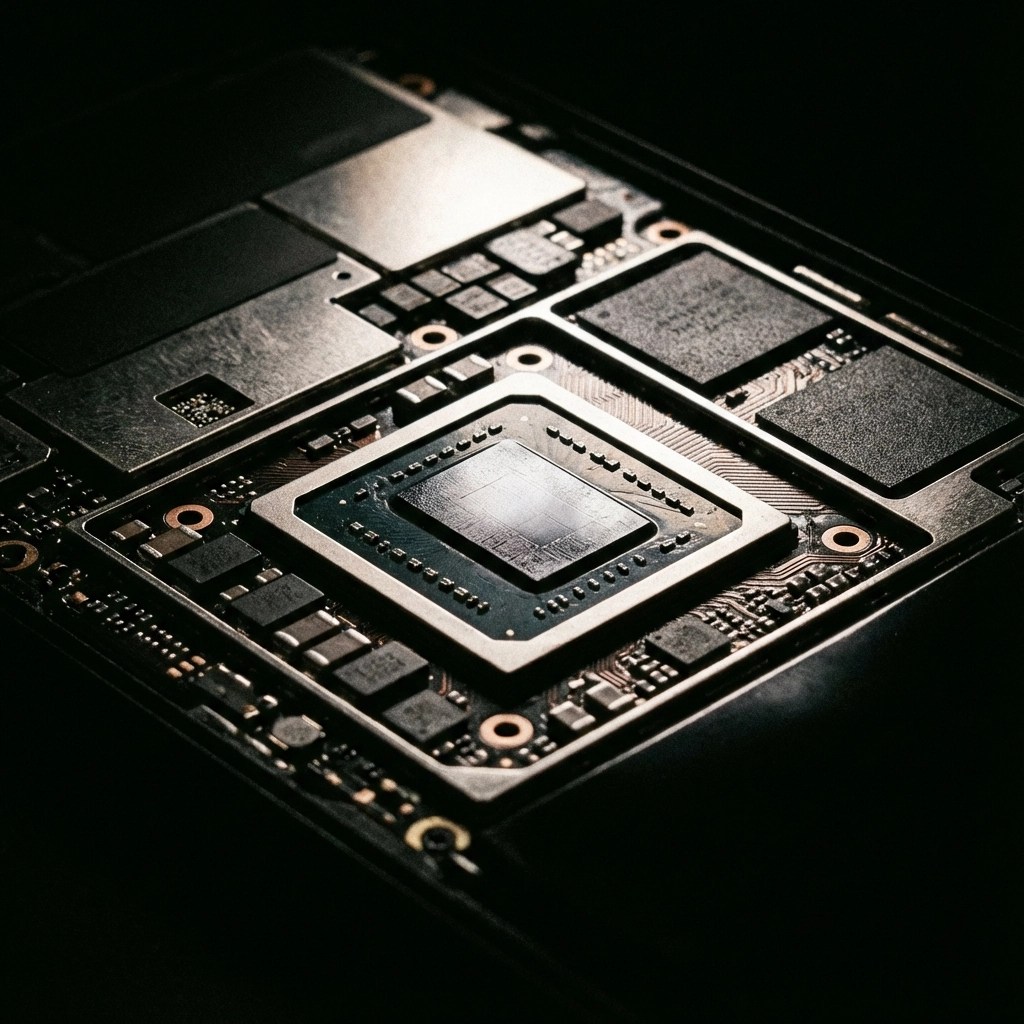
My take: This is the most important shift happening in tech right now, and most people won't even notice it. Edge AI solves real problems: privacy, speed, reliability, and reduced dependence on cloud services.
If you care about data privacy or live somewhere with spotty internet, this matters. If you just want your devices to work faster and more reliably, this matters. It's not flashy, but it's foundational to everything else on this list.
4. Display Technology: Still Chasing the Perfect Screen
Micro-OLED headsets, quantum dot displays that are brighter than the sun, rollable screens that unfold from your pocket – display technology is having another moment. The focus is on making screens that adapt to different use cases: work mode, entertainment mode, ambient information display.
Foldable phones are finally getting reliable, with major improvements in durability and software optimization. AR glasses are shrinking down to something you might actually wear in public. 8K displays are becoming affordable enough for actual consumers.
My take: Honestly? Most of this is still solving problems that don't exist for regular people. Foldable phones are cool, but they're expensive, fragile, and don't really improve your daily experience that much.
The exception is if you're in media, design, or entertainment work where display quality directly impacts your job. For everyone else, wait another generation. Your current phone screen is probably fine, and that 8K TV won't look better than 4K until you're sitting unreasonably close to it.
5. Smart Mobility: Cars That Actually Make Sense
Finally, some automotive tech that isn't just about putting a bigger touchscreen in your dashboard. Vehicle-to-Grid (V2G) technology is the sleeper hit of CES 2026. Your electric car becomes a mobile battery bank that can power your house during outages or sell energy back to the grid during peak demand.
Autonomous vehicles are still being demonstrated, but V2G is deployable right now. Ford and GM are already shipping trucks with this capability, and more automakers are following.

My take: V2G is the most practically useful automotive innovation in years. If you have solar panels, an EV, and live somewhere with time-of-use electricity pricing, this could cut your energy bills significantly. During power outages, your car becomes a whole-house generator.
Autonomous vehicles? Still years away from being reliable in complex urban environments. The demos at CES will be impressive, but don't expect to buy a fully self-driving car anytime soon.
The Bottom Line: What Actually Matters
After covering tech for years, I've learned that the most revolutionary changes happen quietly. Edge AI processing, V2G technology, and medical-grade wearables aren't flashy, but they solve real problems for real people.
The ambient AI trend has potential, but wait for interoperability standards before investing heavily. Display technology is impressive but mostly benefits early adopters and professionals. Smart mobility is split – V2G is practical now, autonomous driving is still mostly marketing.
If you're looking to spend money on new tech this year, prioritize edge AI devices (they'll work better and protect your privacy), medical wearables if you have health concerns, and V2G-capable EVs if you're already in the market for an electric vehicle.
Everything else? Probably wait another year. The tech industry's job is to convince you that you need the latest gadgets. My job is to tell you when you actually do.
Want more skeptical takes on the latest tech trends? Check out our weekly episodes where we dive deep into what's actually worth your attention – and what's just marketing hype.