From Holograms to Health Tech: How CES 2026 Is Shaping Emerging Technology
Here we go again, folks. Another year, another Consumer Electronics Show promising to revolutionize everything from how we order coffee to how we interact with our cars. CES 2026 is just around the corner (January 6-9 in Las Vegas), and the tech world is buzzing about holographic displays, AI concierges, and health monitoring gadgets that supposedly will change our lives forever.
But let's be real for a minute. How many times have we heard this song before? Remember when 3D TVs were going to transform our living rooms? Or when every company was pushing VR headsets that mostly ended up collecting dust? Now everyone's talking about holograms like they're the next big thing, but I've got some questions.
The Holographic Hype Train
The biggest noise coming out of pre-CES announcements centers around holographic technology, and honestly, some of it looks pretty impressive, on paper, anyway.

HumanBeam is rolling out what they're calling a "holographic AI concierge" that's supposed to handle everything from hotel check-ins to conference navigation. Picture this: you walk into a lobby, and instead of approaching a human receptionist or fumbling with a chatbot on your phone, you're greeted by a full-size 3D hologram that can supposedly see you, hear you, and respond naturally without needing any special equipment.
The tech works through something called a BeamBox, a transparent display combined with conversational AI. The holographic assistant can allegedly remember repeat customers, handle complex queries, and even escalate issues to human staff when things get too complicated. Hotels and airports are already lining up to test these systems, with some claiming 24/7 availability and reduced pressure on human staff.
Sounds great in theory, but here's where my skepticism kicks in. How well does this actually work in noisy environments? What happens when the AI doesn't understand your accent, or when the holographic display breaks down during peak check-in hours? And let's talk about the elephant in the room, cost. How much are these systems going to run compared to just hiring more front desk staff?
Display Technology Gets Weird
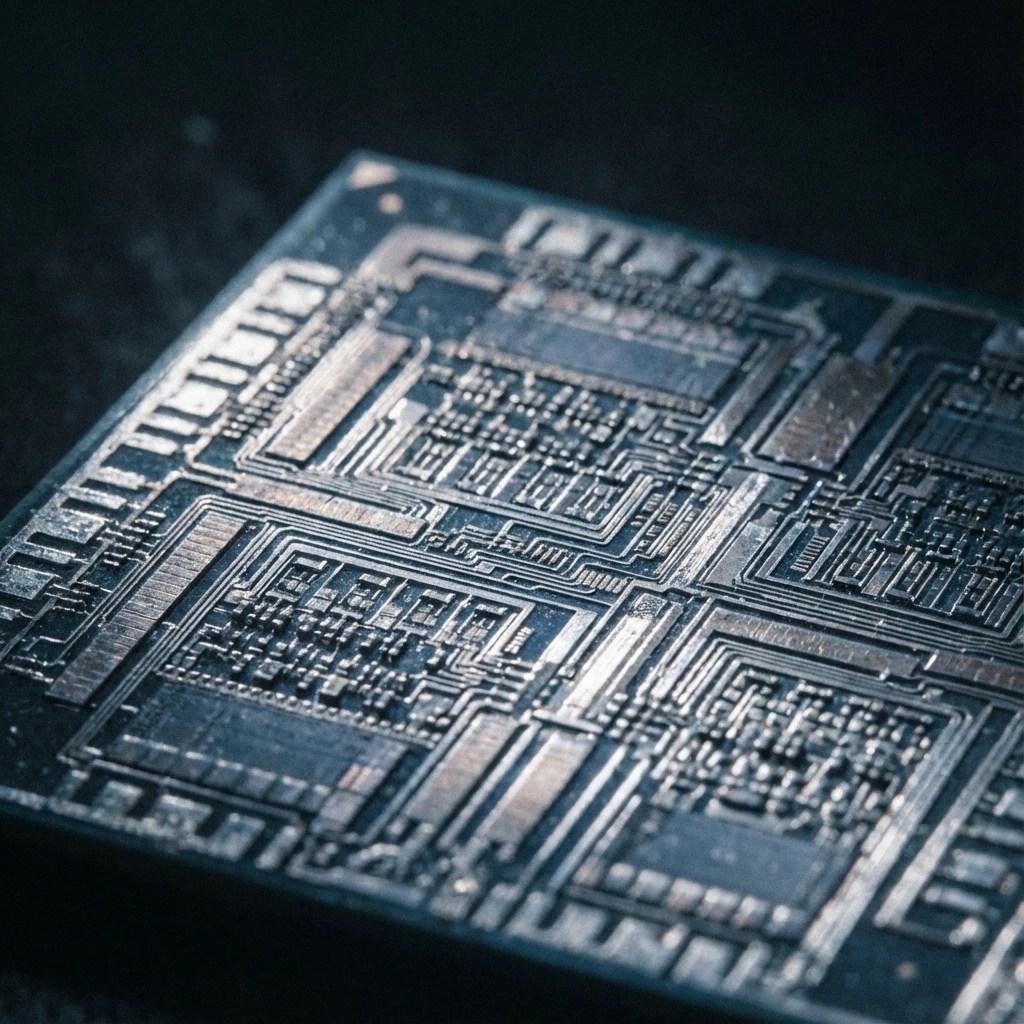
If you thought holographic concierges were ambitious, wait until you hear about the display innovations hitting CES 2026. Swave Photonics is showing off something they call the Holographic eXtended Reality (HXR) Onyx Spatial Light Modulator. Try saying that three times fast.
This chip supposedly creates "true holographic displays" with pixels smaller than 300 nanometers, which they claim are the world's smallest pixels. The company is positioning this as the breakthrough that'll finally make smart glasses practical for everyday use, using lower-cost manufacturing processes than previous attempts.
But here's what gets me: we've been hearing about revolutionary smart glasses for years. Google Glass flopped spectacularly. Magic Leap burned through billions of dollars. Apple's Vision Pro costs more than most people's rent. Now we're supposed to believe that smaller pixels and holographic displays will somehow solve all the fundamental problems with wearable computing?
Don't get me wrong, the technology sounds impressive. But until I see regular people actually using these things in real-world situations (not just carefully controlled demos), I'm maintaining my healthy dose of skepticism.
Cars Get the Holographic Treatment
The automotive industry isn't missing out on the holographic party either. Hyundai Mobis partnered with Zeiss to develop a "Holographic Windshield Display" that supposedly turns your entire windshield into a digital interface.
Using holographic optical elements to project navigation data, driving information, and digital content directly onto the windshield, they promise this will enhance safety while keeping the cockpit design clean and open. Mass production is targeted for 2029, which actually gives them a reasonable timeline to work out the kinks.
This one has me cautiously optimistic. Head-up displays in cars aren't exactly new technology, they've been around for decades in various forms. Taking that concept and expanding it across the entire windshield using holographic projection could genuinely be useful, especially for navigation and safety alerts.
But I'm still concerned about driver distraction. How much information is too much information when you're trying to focus on the road? And what happens when these systems malfunction or get dirty? Anyone who's dealt with a traditional GPS screen that's covered in fingerprints knows how frustrating these interface issues can become.
Where's the Health Tech Revolution?
Now here's where things get interesting, and where CES 2026 might be showing some gaps. The event title mentions "health tech," but most of the pre-show buzz seems focused on displays and AI interfaces rather than genuine healthcare innovations.

Sure, you could argue that holographic AI systems might have applications in medical settings. Imagine holographic assistants helping with patient check-ins, or 3D displays showing complex medical imaging data. Some of these display technologies could potentially be used for remote consultations or medical training simulations.
But where are the breakthrough health monitoring devices? The revolutionary diagnostic tools? The game-changing medical devices? It feels like we're getting flashy display technology masquerading as healthcare innovation, when what we really need are solutions for actual health problems.
This isn't entirely surprising, though. Health tech typically faces much stricter regulatory hurdles than consumer electronics. It's easier to show off a holographic concierge that might not work perfectly than it is to demonstrate a medical device that needs FDA approval and clinical validation.
The Reality Check We Need
Look, I want to be excited about these innovations. Holographic displays are undeniably cool, and some of the underlying technology represents genuine progress in optics, AI, and human-computer interaction. Companies like HYPERVSN have been steadily building momentum in this space since 2016, evolving from small Eureka Park booths to major exhibition spaces.
But let's pump the brakes on the revolutionary language for a minute. How many CES innovations actually make it to mainstream adoption? Remember when every booth at CES was showing off tablets that were going to replace laptops? Or when smart home devices were supposed to automate our entire lives by now?
The pattern is always the same: amazing demos in controlled environments, followed by limited rollouts to early adopters, followed by either gradual mainstream adoption (if we're lucky) or quiet disappearance into the tech graveyard (if we're being honest).
That doesn't mean these technologies are worthless. Some of the display innovations could genuinely improve user interfaces in specific applications. Holographic AI assistants might find solid niches in hospitality and customer service. And automotive applications often have longer development cycles that allow for more thorough testing and refinement.
What Actually Matters
Instead of getting caught up in the holographic hype, maybe we should be asking different questions. Like: Do these technologies solve real problems that people actually have? Are they accessible and affordable enough for widespread adoption? Do they work reliably in real-world conditions, not just in carefully controlled trade show demos?
The companies showing off at CES 2026 would have us believe that we're on the verge of a post-screen world where digital information seamlessly integrates into physical spaces. That sounds great, but I'll believe it when I see my grandmother successfully using a holographic hotel concierge to check into her room.
For now, I'm taking a wait-and-see approach. The technology is interesting, the potential applications are intriguing, and some of the underlying innovations might actually stick around long enough to become useful. But until these systems prove themselves outside of trade show environments, I'm keeping my expectations grounded in reality rather than holographic fantasy.
CES 2026 will undoubtedly provide some genuine insights into where technology is heading. Just remember to bring your skepticism along with your sense of wonder when you're reading all those breathless coverage reports in January.