
7 Hidden Dangers You're Ignoring with Modern Tech (Firefighter Gear Scandal Exposed)
Look, I've been covering tech scandals for years, but this one hits different. When the people who run into burning buildings to save us are getting poisoned by their own protective gear, we've got a serious problem. The firefighter gear scandal isn't just another corporate cover-up, it's a masterclass in how the tech industry puts profits over people, and somehow we're all just finding out about it now.
1. PFAS: The "Forever Chemicals" Nobody Talks About
Here's the thing everyone's missing: those miracle chemicals that make firefighter gear water and heat-resistant? They're called PFAS (per- and polyfluoroalkyl substances), and they've been around since the 1940s. The kicker? They literally never break down. Not in the environment, not in your body, nowhere.
Companies like 3M, DuPont, and BASF have been pushing this stuff for decades, marketing it as the ultimate safety solution. But here's what they didn't advertise: these chemicals accumulate in your system forever. Every time a firefighter puts on that gear, they're getting another dose of substances that will outlast them by centuries.
The International Agency for Research on Cancer finally upgraded PFOA to a confirmed human carcinogen in 2023, but these companies have known about the risks for decades. Makes you wonder what else they're not telling us, right?
2. The Cancer Connection They Tried to Hide
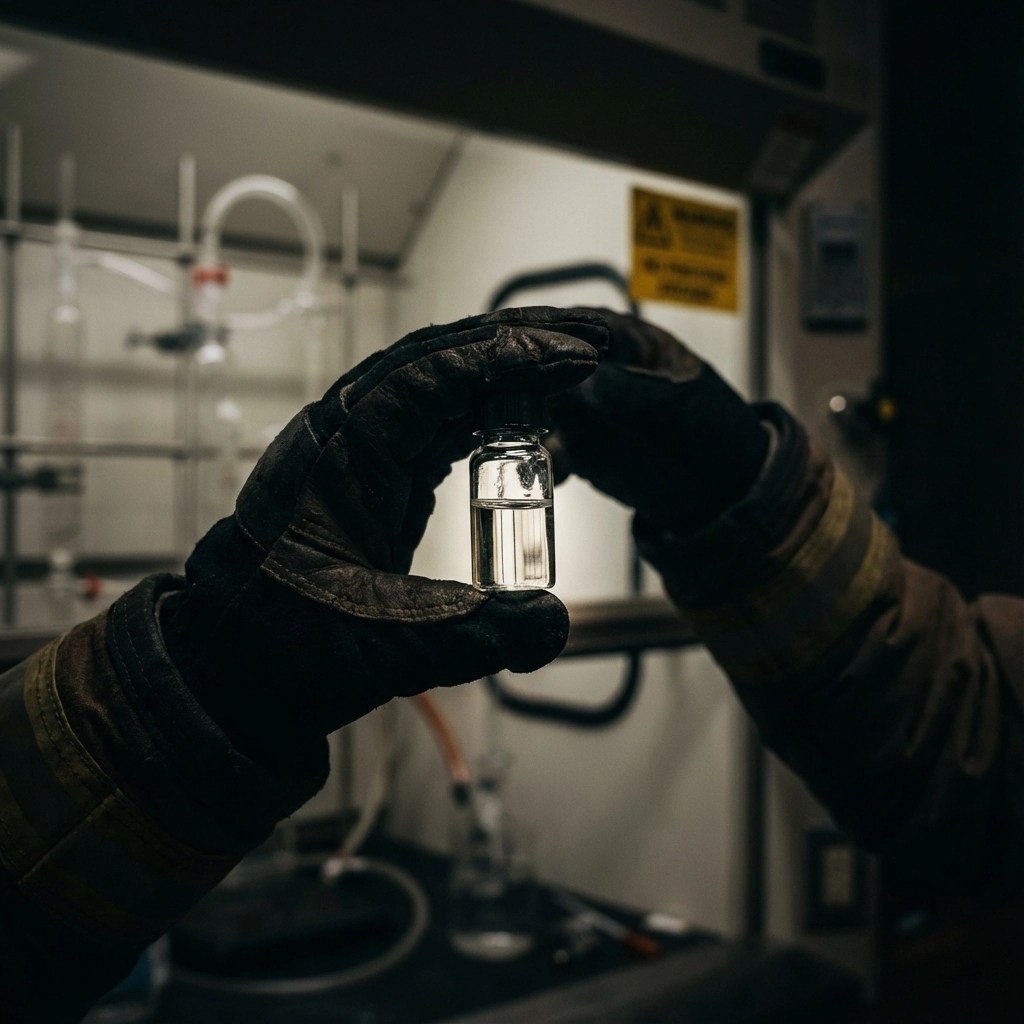
This isn't some theoretical risk we're talking about. Real firefighters are filing lawsuits because their PFAS-laden gear gave them leukemia and other cancers. The data is getting harder to ignore, firefighters have significantly higher cancer rates than the general population, and their protective gear is literally part of the problem.
What really gets me is how long this took to surface. We're not talking about some new technology with unknown side effects. These chemicals have been studied for decades, and the health connections have been documented. Yet somehow, the people putting their lives on the line were the last to know.
3. Chemical Buildup: Your Body as a Storage Unit
Here's where the tech industry's "innovation" becomes a nightmare. Unlike most toxins that your body can eventually process out, PFAS chemicals set up permanent residence. Every training session, every fire call, every time that gear touches skin, more chemicals get absorbed and stay there.
Think about it: a firefighter might wear this gear hundreds of times throughout their career. Each exposure adds to the total load their body is carrying. It's not just one bad day, it's a lifetime of accumulation that nobody warned them about.
The gear manufacturers knew this. They had to know this. You don't develop "forever chemicals" without understanding that they're, well, forever.
4. The Bait-and-Switch with Brominated Flame Retardants
So what happened when PFAS started getting bad press? The industry did what it always does: found another chemical to replace the problematic one, without really solving the problem. Enter brominated flame retardants (BFRs).
A 2024 study found something incredible: gear advertised as "PFAS-free" actually contained higher concentrations of these brominated chemicals. Companies weren't removing toxins: they were swapping them out for different toxins. And get this: one of the replacements, DBDPE, has similar properties to decaBDE, a chemical so toxic it's been phased out globally.
5. Corporate Gaslighting at Its Finest
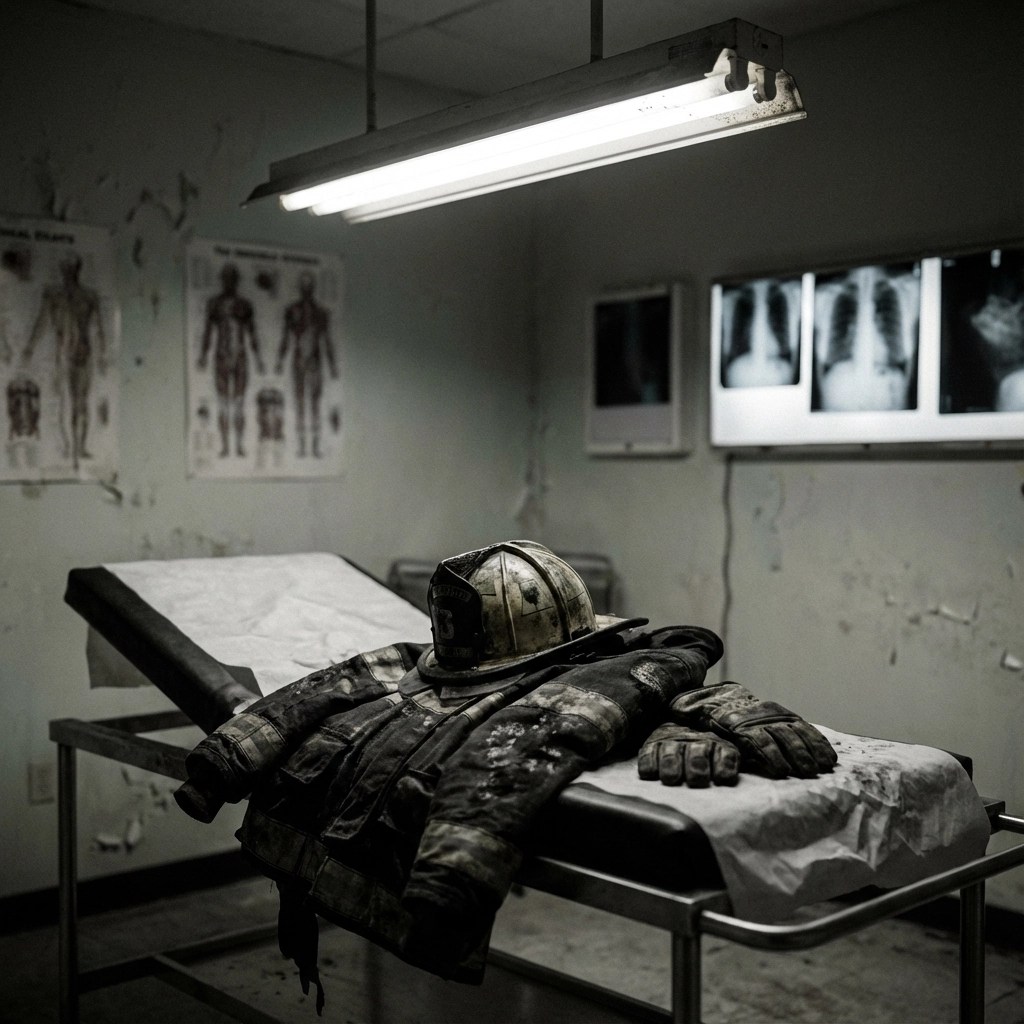
This is where the scandal gets really ugly. Internal documents show that gear manufacturers knew about the health risks and kept selling the products anyway. Lawsuits reveal companies continued marketing PFAS-contaminated gear without adequate warnings, even while their own research showed the dangers.
Some fire departments thought they were being smart by ordering "PFAS-free" gear, only to have independent testing reveal the chemicals were still there. That's not an accident: that's deliberate deception. Companies were literally advertising one thing and delivering another, putting first responders at risk while collecting their money.
6. Environmental Contamination: The Gift That Keeps Giving
Even brand-new gear manufactured in 2024 shows PFAS contamination, and here's the twisted part: it's not even intentionally added anymore. The chemicals are so widespread in the environment that they contaminate gear during manufacturing and use.
When firefighters respond to calls, their gear absorbs PFAS from smoke and soot, and these chemicals don't wash out. So even if manufacturers stopped adding PFAS today, firefighters would still be exposed through environmental contamination. It's a contamination cycle that feeds on itself.
7. Regulatory Capture: When Safety Standards Become Corporate Protection
Here's the most infuriating part: the National Fire Protection Association (NFPA) created safety standards that could supposedly only be met with PFAS-treated materials. A 2023 union lawsuit accused the NFPA of working with gear manufacturers to maintain PFAS requirements, essentially creating a regulatory moat around toxic chemicals.
Think about the perverse incentives here: safety regulators working with manufacturers to require dangerous chemicals, while marketing those same chemicals as essential for safety. It's regulatory capture at its most blatant, and firefighters paid the price.

The Cleanup Begins (Finally)
The good news? States are finally stepping up. Connecticut banned PFAS from firefighter gear entirely, with the prohibition taking full effect in 2028. Massachusetts and Illinois followed suit with their own bans. Federal courts have consolidated over 1,000 turnout gear cases as part of broader PFAS litigation.
But here's my question: why did it take state-level action to protect firefighters from their own gear? Where were the federal regulators? Where was the EPA? How did we get to a point where the people running into fires needed protection from their protection?
What This Means for the Rest of Us
This scandal isn't just about firefighter gear: it's about how the entire tech industry operates. When companies can knowingly sell toxic products for decades while regulators look the other way, what does that say about all the other "innovative" technologies we're using every day?
The PFAS story is everywhere: non-stick cookware, water-resistant clothing, food packaging, cosmetics. If they were willing to poison firefighters with chemicals that last forever, what exactly are they putting in products the rest of us use daily?
The firefighter gear scandal exposed a system where innovation comes first, safety comes second, and transparency comes never. Until we demand better from both companies and regulators, these "hidden dangers" will keep surfacing: usually decades too late to help the people who needed protection most.
Maybe it's time we stopped trusting corporate promises about safety and started demanding independent verification before these products hit the market. Because if we've learned anything from this scandal, it's that when companies say "trust us," that's exactly when we shouldn't.